- The highest offer isn’t always the best offer once you weigh certainty, contingencies, and closing timeline.
- Cash offers and financed offers carry different risks, even at the same price.
- Comparing offers means looking at how strong the buyer is along with the price.
- Watters International Realty helps sellers compare offers side by side so the highest number doesn’t win by default.
When you get more than one offer, it’s tempting to circle the biggest number and call it done. So is the highest offer always the best offer? No. The best offer is usually the one most likely to close on terms that work for you. A higher price on paper can come with more risk, more delay, or more ways for the deal to fall apart before closing.
The question to ask is how much you’ll actually walk away with, and how likely this buyer is to make it to closing.
Why Sellers Default to the Highest Number
It’s a natural instinct. The highest offer looks like the clear winner, and when it’s all cash with no contingencies, it often is. Most offers aren’t that simple, which is where comparing offers gets more complicated than picking the top line.
Cash Offers vs. Financed Offers
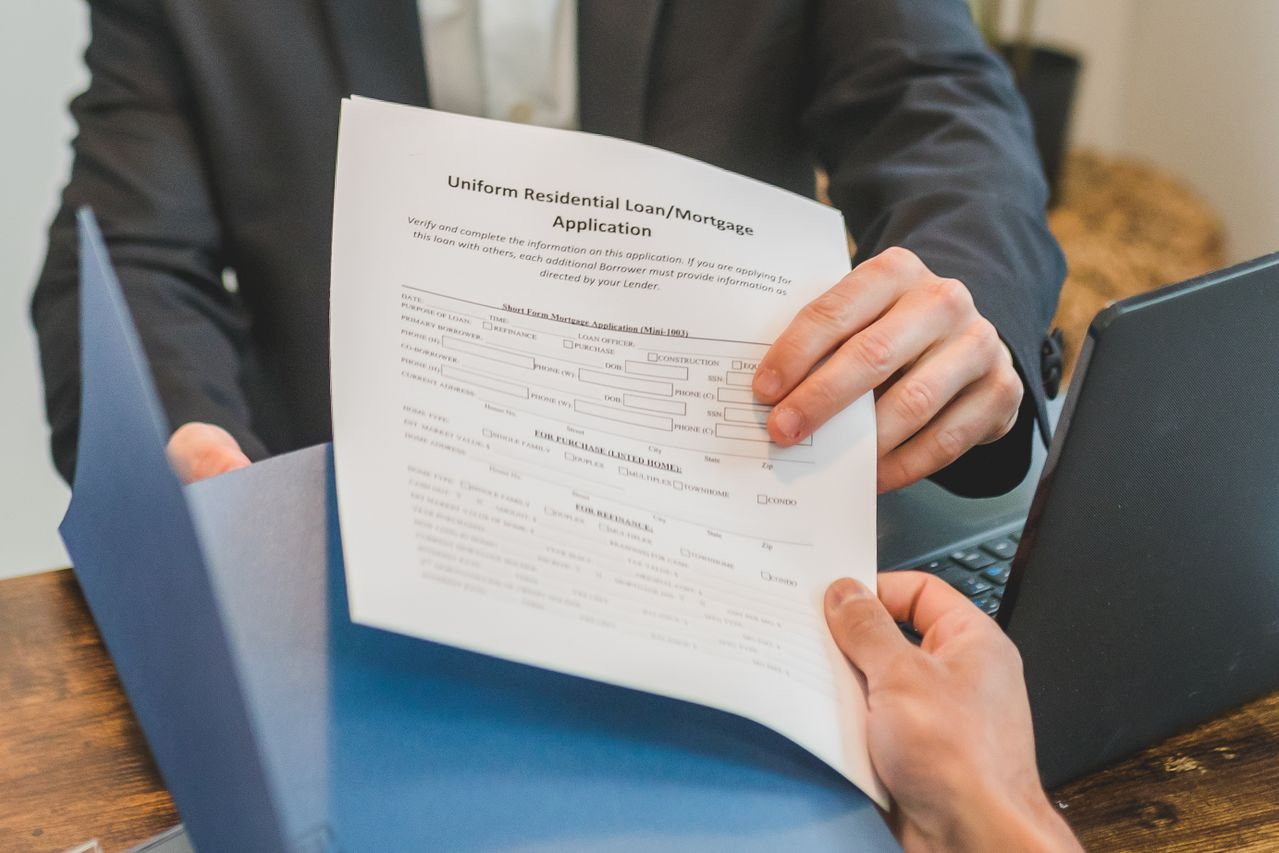
A cash offer is usually easier to count on than a financed one. Cash skips mortgage underwriting, so there’s no financing contingency and the closing timeline is typically shorter. A financed offer depends on the buyer’s lender approving the loan, which adds steps and more places for the deal to stall. According to NAR’s 2025 Profile of Home Buyers and Sellers, 26% of buyers paid cash this past year, the highest share on record. So you may well see a cash offer, and cash takes loan approval out of the deal.
Say you have a $410,000 cash offer with no financing contingency and a $425,000 offer that depends on the buyer qualifying for a loan. The lower cash offer may be the safer bet.
Contingencies Change the Math
Contingencies are conditions that have to be met before the sale can close. Each one is a place where the deal can fall apart. The common ones are financing, appraisal, inspection, and the sale of the buyer’s current home. An offer with fewer contingencies often has a better shot at closing, even at a slightly lower price.
Appraisal Risk
Appraisal risk comes up when the offer is higher than the value the lender’s appraiser puts on the home. If the appraisal comes in low, the lender won’t finance the gap. That can mean a renegotiation, the buyer bringing more cash, or a canceled contract. A high offer that probably won’t appraise can cost you more time than a slightly lower offer that appraises cleanly.
Closing Timelines
A closing date can matter as much as price if your own move depends on it. A buyer who can close fast or stay flexible may be worth more to you than a higher offer with a date that doesn’t work, especially if you’re coordinating your own purchase at the same time.
Buyer Strength Beyond the Number
How much you can count on an offer depends on more than the offer letter. A strong pre-approval, a solid earnest money deposit, and an organized, responsive buyer’s agent all tell you something about whether the deal will make it to the closing table. Two offers at the same price aren’t equal once you look at who’s behind them. After you’ve picked the one you trust, our process from contract to closing covers what to expect next.
Comparing Offers on More Than Price
| Factor | What to Ask | Why It Matters |
| Financing | Cash, conventional, FHA, or VA? | Cash and conventional loans typically close faster and carry less risk. |
| Contingencies | Which conditions must be met before closing? | Fewer contingencies generally mean a smoother path to closing. |
| Appraisal | Is the offer likely to appraise? | A price above market value raises the odds of a low appraisal and a renegotiation. |
| Closing timeline | Does the date fit your plan? | A fast or flexible close can outweigh a slightly higher price. |
| Buyer strength | How solid is the pre-approval and deposit? | A well-qualified buyer is less likely to fall through. |
A Few Common Tradeoffs
A couple of examples show why picking the best offer rarely comes down to one number:
- A $5,000 higher offer with a financing contingency and a 45-day close can carry more risk than a slightly lower cash offer that closes in two weeks.
- An offer above market value that probably won’t appraise can cost you more time in renegotiation than taking an offer closer to market value from the start.
When Multiple Offers Complicate the Decision
If you’re comparing several offers at once, run each one through the same checklist. More offers doesn’t mean a bidding war will automatically get you the best result. It just means more to sort through, and each one deserves a fair look.
Certainty Can Matter More Than the Number
If you’d rather not bet on any of the offers, slow down before you sign. You can counter or keep negotiating. And if certainty is what you’re after, Watters Realty’s guaranteed sale option is a backup built for exactly that concern.
As Chris Watters puts it, the highest number on the page doesn’t close your sale. The buyer behind it does.
Frequently Asked Questions
Is the Highest Offer Always the Best Offer?
No. A higher price can still be the weaker offer if the buyer’s financing, contingencies, or closing date put the deal at risk. Price matters, but so does whether the buyer can actually close.
Should I Always Accept a Cash Offer Over a Financed Offer?
Not automatically. Cash offers usually carry less risk, but a well-qualified buyer with a strong pre-approval and few contingencies can be just as reliable.
What Happens if an Offer Doesn’t Appraise?
Usually the lender won’t finance more than the appraised value. The deal may need to be renegotiated, the buyer may have to bring more cash, or the sale may fall through.
How Many Contingencies Are Normal in an Offer?
Many financed offers include at least a financing contingency and an inspection contingency. What matters is whether the ones in front of you put your price, your timeline, or the closing at real risk.
Ready to Compare Your Offers?
The highest offer isn’t always the best offer, and comparing offers takes more than lining up the numbers. Talk through your situation with Watters International Realty. We’ll go through each offer with you line by line: price, financing, contingencies, appraisal risk, and closing date.